Marcus
Lindberg
Level Design


BRAMBLe:
The mountain King

Bramble The Mountain King is a grim adventure set in a world inspired by dark, Nordic fables.
Explore the beautiful yet dangerous and twisted land of Bramble in your endeavour to rescue your sister.
Traverse a wondrous landscape and survive deadly encounters with Bramble's many hideous creatures.
TL;DR
Professional Shipped Project & Unannounced Project
Joined the team during late production, refining layouts, iterating gameplay, and manually authoring collision for smooth player movement.
After shipping Bramble, designed a vertical slice for an unannounced project, prototyping mechanics and pacing under early production constraints.
Highlights team collaboration, iterative problem-solving, and adaptability in both shipped and pre-production contexts.
Project Type
Professional
Duration
7 months
Role
Level Designer
Engine
Unreal Engine 5
Steam page
Released
2023
Worked as a level designer on the final stretch of development, collaborating with the team to refine gameplay flow, redesign a key section using existing art assets, and polish player experience through detailed collision work.
Context
Joined the team late in production to help re-make a level segment and level polish on a narrative‑driven action‑adventure title using existing art and core systems.
Unannounced Project – Level Designer (Pre-Production & Prototyping)
Worked as a level designer during the pre-production phase of an unannounced project, focusing on concept development, prototyping, and early gameplay iteration.
Key contributions included:
-
Designing and iterating prototype layouts to test core gameplay systems and player progression
-
Creating a playable level for a vertical slice, demonstrating mechanics and pacing for key gameplay moments
-
Collaborating with designers, artists, and engineers to validate mechanics and iterate rapidly
-
Developing design documentation, goals, and workflows to support future level development
Although the project remained in early stages, this experience strengthened my skills in rapid prototyping, vertical slice design, and cross-disciplinary collaboration under constraints, all critical to professional level design.
Redesigning
Redesigned a critical mid‑game section which cased player frustration during playtests.
Using existing assets, shifting layout, adjusting on-boarding for a new type of enemy, and refining pathways to reduce dead ends and improve player flow.
Impact:
Enhanced pacing and gameplay in a previously unclear area while staying within art/schedule constraints.

Teaching New Enemy Behavior
This segment eases players into new enemy behaviors by giving them space to observe patterns and experiment with stealth. The encounter supports multiple solutions, encouraging players to solve the stealth puzzle in ways that fit their playstyle rather than forcing a single approach.
The design encourages players to approach the encounter in multiple ways—through observation, stealth, or creative use of the environment—ensuring that discovery and choice are central to the experience. This aligns with Bramble’s broader design philosophy of using environmental context and player agency to teach systems intuitively rather than through explicit tutorials.
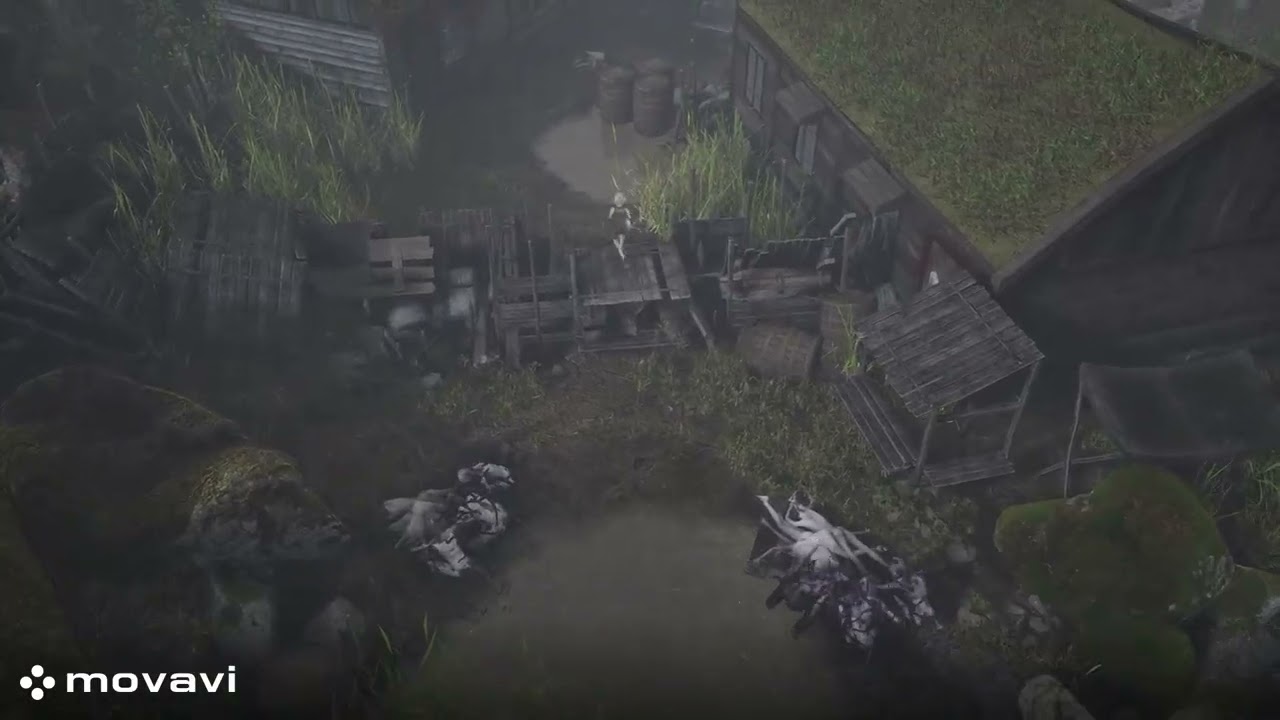
Tension Through Stealth and Environmental Cues
The encounter opens with a triggered soundtrap to establish danger, then gives the player room to hide, reset enemy states, and re-engage. Tension is driven by sound, visibility, and proximity rather than scripted events or UI guidance.
This design supports a more immersive stealth experience by blending sensory triggers with meaningful decision points rather than relying on overt UI guidance or linear scripting.

Climax & Mastery Moment
This section acts as a mastery test, combining previously introduced mechanics into a tight stealth challenge. The final soundtrap forces enemy movement and escalation, creating a high-stakes finish that reinforces learned systems—even if the challenge lands on the unforgiving side.
In hindsight, this encounter lands with a roughly 50/50 success rate for players, indicating it can feel unclear or unforgiving to some players. While not perfectly balanced, I’m satisfied with this sequence as a culminating moment that encapsulates the level’s stealth rhythm and leaves a strong emotional impression.
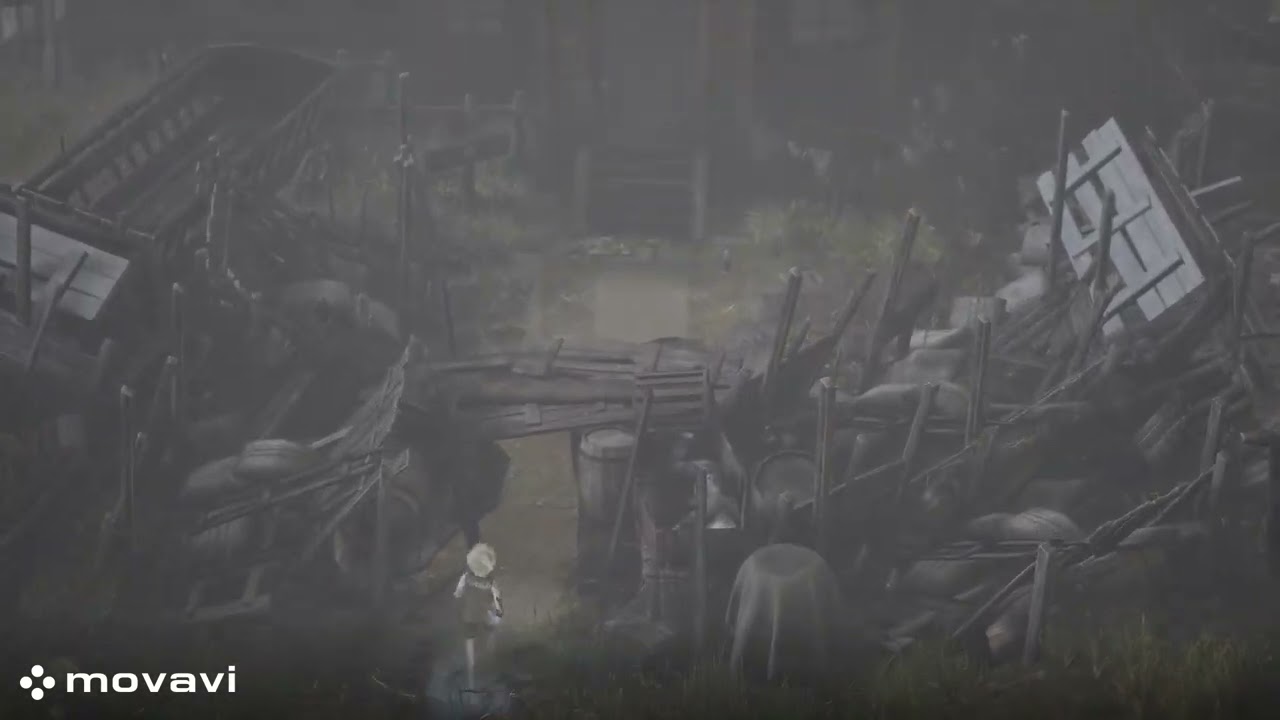
Subtle Mechanic Onboarding
This opening section introduces soundtraps and water-based stealth without explicit guidance. By giving the player cover to crouch under and space to experiment, the design encourages players to discover that water suppresses sound while sneaking through observation and interaction rather than UI prompts.
Manual Collision work
Collision issues were present across multiple sections of the game and were identified through extensive playtesting and close collaboration with QA. I manually placed and refined collision volumes to smooth player traversal, prevent snagging or stuck states, and improve overall movement feel—while being careful not to overuse collision or introduce performance issues.
Impact:
Resulted in smoother traversal and reduced stuck states, improving player flow and overall gameplay polish.
Takeaways
-
Late-stage level design is about polish, readability, and player feel, not introducing new ideas
-
Strong collaboration with QA and other disciplines is essential when systems are locked
-
Designing with existing assets sharpens adaptability, restraint, and problem-solving within constraints